
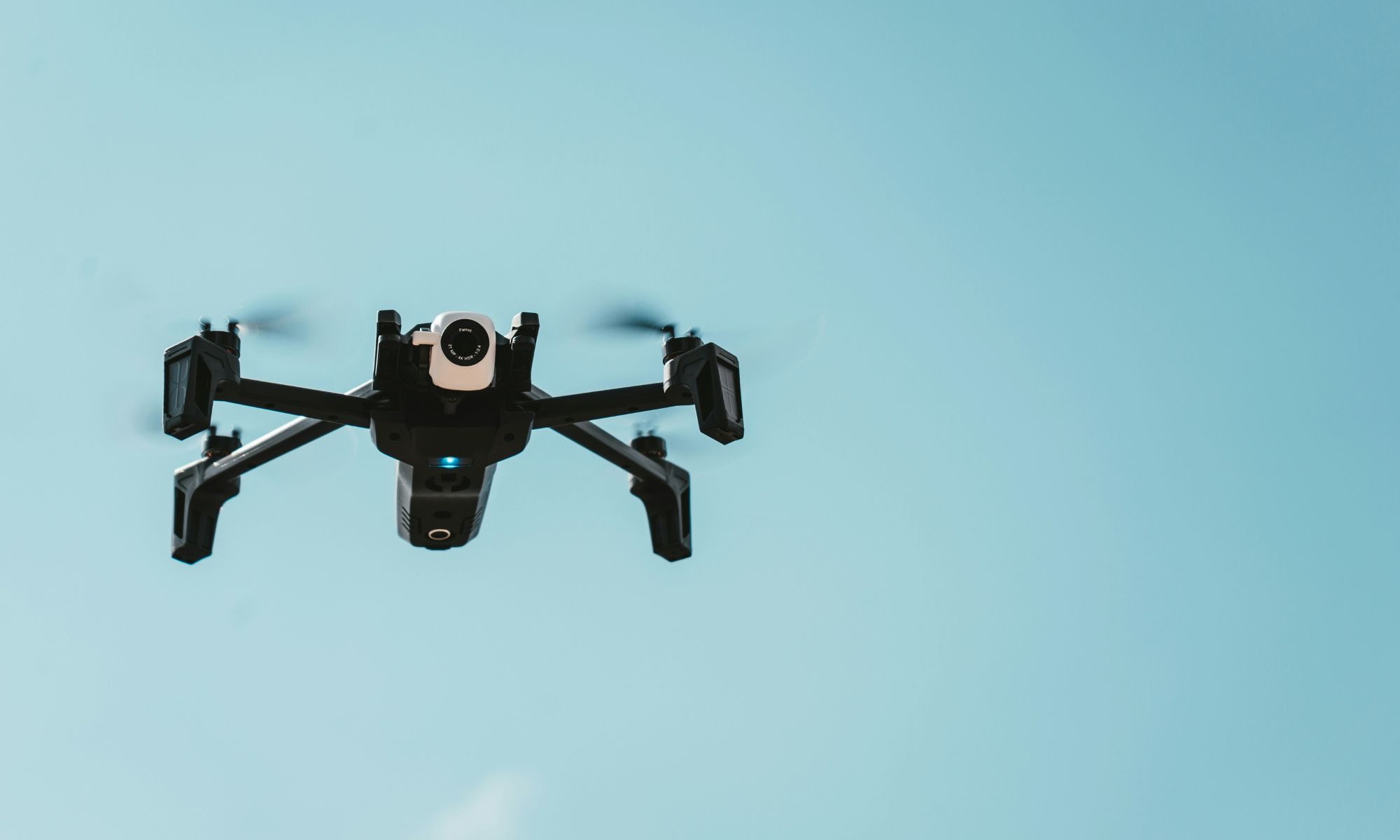
The U.S. Federal Communications Commission (FCC) has just taken a massive swing at the drone industry, blocking new foreign-made drones – including those from DJI – from entering the American market. By adding them to the “Covered List,” the agency is effectively labeling these devices a national security threat. It’s a huge blow to DJI, which currently owns about 90 percent of the consumer market, as Washington grows increasingly worried that these drones could be used by Beijing to peek at sensitive U.S. data.
Washington expands restrictions as concerns grow over Chinese drone dominance
The FCC’s new rule means that any fresh drone models from DJI or other flagged foreign makers can’t get the agency’s seal of approval for import or sale in the States. The commission isn’t just worried about data privacy; they’ve raised alarms about potential drone-based attacks and unauthorized surveillance. FCC Chair Brendan Carr made it clear: while drones are great for innovation, they are being weaponized by “hostile foreign actors,” and the U.S. isn’t willing to take that risk anymore.

There is a bit of a silver lining for current owners, though. The ruling doesn’t actually ground the drones that are already flying. If a drone or component was approved before this ban, it can still be used and even sold. This is a big relief for the police departments, farmers, and construction crews that already have fleets of DJI drones in the air. Still, it’s a clear sign that the U.S. is trying to untangle itself from Chinese aerial tech as fast as possible.
The move has been cheered by “China hawks” in Congress.
Rep. Elise Stefanik and Sen. Rick Scott were quick to call this a win for American security, arguing that we can’t let sensitive mapping data of our infrastructure be sent overseas. They see this as the first step toward building up “U.S. drone dominance” and moving away from a reliance on foreign hardware.

Unsurprisingly, China isn’t happy. A spokesperson for the Chinese embassy in Washington accused the U.S. of using “national security” as a convenient excuse to mess with global trade. DJI also hit back, expressing deep disappointment and pointing out that the U.S. hasn’t actually shown any public evidence that their drones have been compromised.
So, where does this leave the industry? While your current drone isn’t going to fall out of the sky tomorrow, the path forward is looking a lot more restricted. This ruling creates a huge opening – and a lot of pressure – for American drone companies to finally step up and offer a real alternative. We’re entering a period where the drone market will be shaped just as much by international politics as it is by new cameras or better battery life.
Services Marketplace – Listings, Bookings & Reviews