
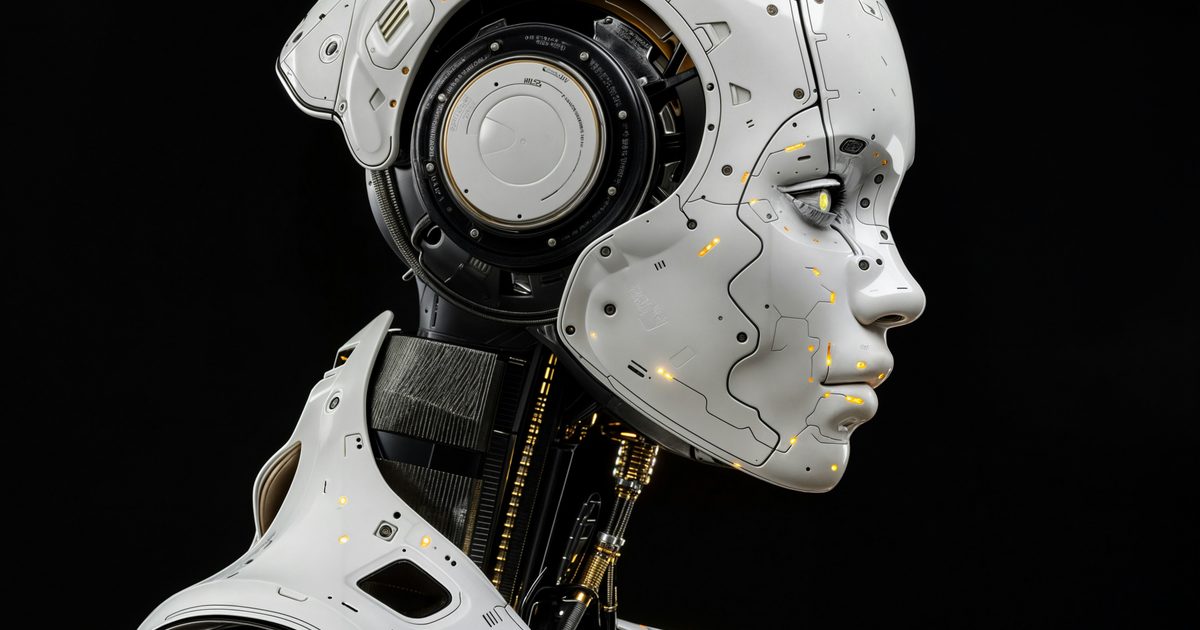

Humanoid robot startups are raising massive funding rounds, and the sales pitch is familiar. Human-shaped machines will soon step into warehouses and factories, and then eventually our homes. But the Wall Street Journal reports a more restrained view inside the industry, even the companies building these bots think expectations have gotten ahead of what works.
Executives and engineers say today’s humanoids are still too unreliable for the messy, multi-step work people imagine at home, even if they can handle simpler jobs in controlled settings. The goal is not just a humanoid, but a humanoid that does useful work. Humanoid robot company Agility Robotics has hundreds of Digit robots with customers including Amazon and auto-parts maker Schaeffler, where they move items around a warehouse.
Useful work is still narrow
That narrowness came through at the Humanoids Summit in Mountain View, where founders tried to dial back the message. Humanoids are not well-defined products yet and is a big idea that arrived before the market and the tech were ready.
Some companies are finding early traction anyway. Weave’s laundry-folding robots are being used in a handful of San Francisco laundromats, while Persona AI is building a welding robot for a shipbuilding customer.
Safety costs dwarf the hardware
Installation cost is the biggest reason companies avoid deploying robots. The report estimates that for every $100 spent on deployment today, roughly $20 is the robot, and the rest goes to equipment and systems designed to keep humans safe.
Humanoids might reduce some guarding because they are smaller and slower than heavy industrial arms. The report points to Tesla’s Optimus at about 5 feet 8 inches and 125 pounds, and Unitree’s G1 at about 4 feet and 77 pounds. The leap from chore videos to a capable home machine is still huge.
The home robot is later
Public forecasts remain aggressive, including Elon Musk predicting “insatiable” demand and aiming for one million Optimus robots a year by 2030.
Advisors also point to bottlenecks like training data, with teams using VR headsets to teach robots and 3D models to speed the process. For now, the best signal is boring on purpose, deployments that run every day with real customers, plus clear task limits and transparent install costs.
Services Marketplace – Listings, Bookings & Reviews