
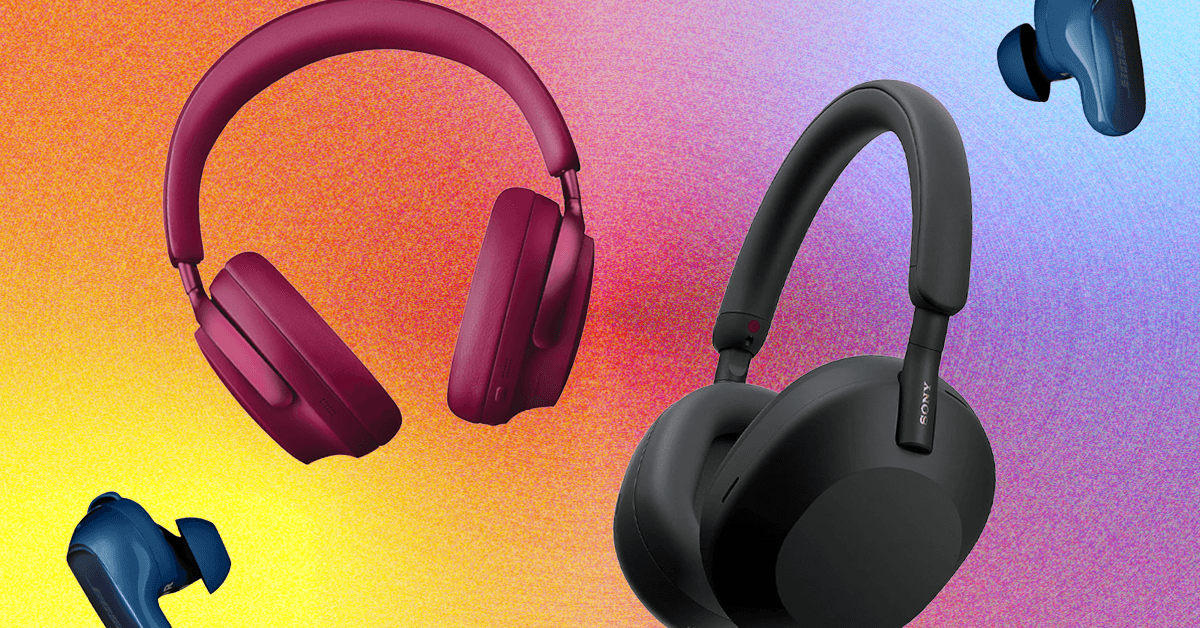

Other Wireless Headphones We’ve Tested
Wireless headphones are the default these days, and there are roughly 1 gazillion of them (and counting). We do our best to test them all, but not everything we test can make the big list. Here are some other good options worth trying.
Sony Linkbuds Clip for $230: Sony’s new clip-on open earbuds are solid performers at a premium price. While I found their call quality subpar, they provide clear and accessible audio playback, good controls, and features like a 10-band EQ and audio presets to tailor your experience. Their full price is a tall ask for earbuds you can’t use in loud environments, but they’re otherwise a good addition to this rapidly growing segment.
JBL Tour One M3 Smart TX for $350-450: JBL’s Tour One M3 headphones are its best yet, offering a brilliant mix of comfort, style, convenience, and an almost overwhelming number of features. The latest is the Smart Tx transmitter, which acts as a handheld controller but also lets you connect to wired audio sources and transmit them to the headphones and/or any Auracast device wirelessly. Though their sound quality falls below our top picks, their sterling call quality and comfy fit make up some ground for a great option on sale.
Status Audio Pro X for $249: The Status Audio Pro X are an excellent pair of earbuds that are slightly overshadowed by their mainstream competitors when it comes to daily use. That said, these buds look and sound awesome, with a triple driver array (one dynamic for bass, two Knowles balanced armatures for mid and high end), which allows them to stand above many other earbuds.
Nothing Headphone (1) for $239: The Nothing Headphone (1) have a cool see-through design and some of the best physical controls I’ve ever used. Their 40mm dynamic drivers, designed in collaboration with KEF Audio, provide great sound. They even have good noise canceling for the money, providing a solid midrange option for aesthetically minded shoppers.
Sony WH-1000XM5 for $398: Sony’s XM5 remain a top headphone, even after being supplanted by the fancier XM6. For a fairly sizable price reduction, you’ll get still-fabulous noise-canceling tech, great sound, and luxe comfort in a supremely portable package.
Beyerdynamic Amiron 300 for $150-$200: These premium earbuds from Beyerdynamic look nondescript, and their noise-canceling can’t compete with Sony and Bose, but they do sound fantastic. If you’re looking for a great-sounding pair that won’t get you judged in public, these are a great option for quiet luxury.
Bowers & Wilkins Pi8 Earbuds for $500: Bowers & Wilkins brings its speaker prowess into the world if high-end earbuds. The Pi8 provide a premium and stylish build, excellent sound quality, and solid noise canceling, albeit at a very high price point. Like other earbuds we’ve tested lately, one of the Pi8’s coolest features is the ability to stream audio from wired audio sources via the charging case, which can really come in handy on long flights.
Edifier Stax Spirit S5 for $500: These high-flying headphones lack noise-canceling, but make up for it with fantastically clear sound from their advanced planar magnetic drivers that use specialized magnet tech for vividly clear delivery. If you can afford their high price, they’re a fun investment that digs into the meat of your music like few headphones in their class.
Soundcore Space A40 for $45: Even though they’ve moved off our main list, the Space A40 are still among the best earbuds you’ll find for the money. Their stylish, premium-looking design is bolstered by solid features, clear and detailed sound, and excellent noise canceling for the price.
Sonos Ace for $399: The Sonos Ace are a pricey but impressive first effort from Sonos, with fantastic noise canceling, great sound, and one of the comfiest designs (if not the comfiest) you’ll find in the game. A few initial software bugs hindered their performance upon release, including trouble with the TV Swap feature that lets you pass sound from a Sonos soundbar to the Ace, but that seems to be fixed, making these an excellent choice—especially for those already invested in the Sonos way.
Beats Solo 4 for $150: We like Beats headphones these days, but this pair was just a bit lacking in features for us at its standard $200 price. Now that they’ve come down, we can heartily recommend them to folks who are looking for a pair of wireless headphones that don’t have noise canceling.
Technics EAH-A100 for $298: The EAH-A100 improve on the sound quality of the already excellent AZ80. The resulting performance is among the best you’ll find in the space, while keeping cool features like the ability to pair to three devices at once. Meanwhile, the AZ80 got a steep discount, so you’ve got great options either way.
Beats Studio Pro for $200-$250: The Studio Pro offer quality performance, including surprisingly clear sound, good noise canceling, and refreshingly natural transparency mode. The design feels a bit cheap, and they skip features like auto-pause, but extras like Hands-Free Siri and head tracking with spatial audio help pad their value—especially since their sale price sometimes drops to around half of the original $350 MSRP.
Sony WH-CH720N for $150: These Sony cans may have a silly name, but their sheer value makes up for it. They’re not as pliable as top options and don’t come with a case, but their sound quality and noise-canceling are excellent for the money. They are also built to last and have battery life that goes on and on, making them a great option for prudent shoppers.
Master & Dynamic MH40 for $399: M&D’s second-gen MH40 pack gorgeous sound into an equally gorgeous design, with luxurious trappings like lambskin leather and metal parts in place of plastic. Their lack of advanced features, excluding even noise canceling, makes them a pricey portal to minimalism, but they’ve got style for days.
Audio Technica ATH-M50xBT for $219: The original ATH-M50X provide balanced sound and great durability, making them ubiquitous in music and film studios. But what if you want to take them with you between takes? Enter the ATH-M50XBT, which partner a wired studio connection with Bluetooth for wireless freedom. They don’t offer noise canceling or other advanced features but they’re great for melding art and play.
Sony Linkbuds Open: The Linkbuds Open have a neat trick: speakers with holes in the middle that let in the world around you for environmental awareness. They’re not so hot for noisy environments, limiting their use cases, but they’re a unique option in the growing open-earbuds segment.
What to Know
If you’re new to wireless headphones or need a refresher, here are some helpful pointers to know before you buy.
Noise canceling is a technology that employs exterior microphones and digital processing to take in the sounds around you and flip their frequency polarity, essentially canceling them at rapid speeds to create an impression of silence.
Transparency mode, aka “hear-through” or “ambient” sound mode, is the opposite of noise canceling, using your headphones’ exterior microphones to bring in the sound around you. This can keep you aware of your surroundings, especially helpful when working out, walking in high-traffic areas, or just having a quick conversation.
Bluetooth is the wireless format used by all portable wireless headphones to connect to and play sound from devices like a phone, computer, or tablet.
Bluetooth multipoint connection allows Bluetooth headphones to connect to more than one source device (like a phone or computer) at a time. This helpful feature lets you seamlessly switch between your connected devices to do things like take phone or video calls or watch a video on your computer between Spotify sessions on your phone.
Find My is an Apple feature that lets you track down devices like your AirPods from the web. Many non-Apple wireless headphones also have some form of Find My feature, though it’s usually reserved for earbuds due to their small size.
IP ratings are used to certify electronics are dust and water-resistant. Generally, the higher the IP rating a device has, the better the dust and water resistance. You can learn more in our IP-ratings explainer.
EQ stands for equalization, which in the case of wireless headphones, uses digital processing to adjust parameters like bass, midrange, and treble. EQ presets are most common, but multi-band EQs are better for those who want advanced control over each sound register.
Charging cases are included with virtually all fully wireless earbuds, letting you set the buds in the case for recharging on the go. Most charging cases offer two or more charges, and to recharge the case itself, you can usually use a USB-C cable or a wireless charger.
How We Test Headphones
We test headphones and earbuds the way that we live. We take them to the gym, wear them around offices, travel with them, and generally try to use them as we anticipate potential buyers will use them. If a pair advertises dust or water resistance, we test that. We drop test cases, test cables, charging times, and battery life, and note everything we find exceptional to our readers.
While we do not typically use a set playlist of music to test each pair, we aim to test acoustic, rock, hip-hop, pop, country, and a variety of other genres with every pair of headphones, ensuring offer a good perspective on sound signature across genres and volumes. For noise reduction, we test the headphones in real-world environments and note our findings. When possible, we attempt to have headphones worn by a variety of people with different head and ear shapes, to ensure we’re thinking about the widest audience possible.
Power up with unlimited access to WIRED. Get best-in-class reporting and exclusive subscriber content that’s too important to ignore. Subscribe Today.
Services Marketplace – Listings, Bookings & Reviews