
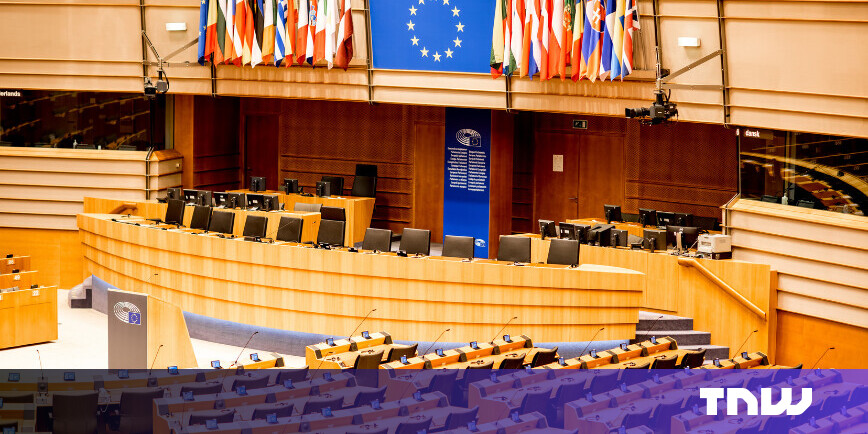
The European Parliament has taken a rare and telling step: it has disabled built-in artificial intelligence features on work devices used by lawmakers and staff, citing unresolved concerns about data security, privacy, and the opaque nature of cloud-based AI processing.
The decision, communicated to Members of the European Parliament (MEPs) in an internal memo this week, reflects a deepening unease at the heart of European institutions about how AI systems handle sensitive data.
The Parliament’s IT department concluded that it could not guarantee the safety of certain AI-driven functions, notably writing assistants, text summarization tools, virtual assistants, and web page summary features, because they rely on cloud-based processing that sends data off the device.
In a workplace where draft legislation, confidential correspondence, and internal deliberations circulate daily, even momentary exposure of sensitive information is viewed as unacceptable.
For now, the measures apply only to these native, built-in AI features on Parliament-issued tablets and smartphones, not to everyday apps like email or calendars. The institution has declined to specify which operating systems or device manufacturers are affected, citing the “sensitive nature” of cybersecurity matters.
Beyond the Parliament
The internal memo did more than announce a software rollback. It advised lawmakers to review AI settings on their personal phones and tablets, warning them against exposing work emails, documents, or internal information to AI tools that “scan or analyze content,” and urging caution with third-party AI applications that seek broad access to data.
This guidance implicitly acknowledges a larger truth: for many elected officials and staff, the boundary between official and personal devices is porous. The Parliament’s approach underscores that risks are not confined to issued hardware but extend into the consumer technology choices of its own members.
The move is the latest in a series of precautionary steps by EU institutions. In 2023 the Parliament banned the use of TikTok on staff devices over similar data concerns, and ongoing debates have questioned the use of foreign-developed productivity software. Some lawmakers have even suggested moving away from Microsoft products in favor of European alternatives, part of a broader push for digital sovereignty.
That push is not abstract. The EU’s Artificial Intelligence Act, the world’s first comprehensive regulatory framework on AI, has been in force since 2024 and imposes obligations on AI providers and users alike, categorizing systems by risk and demanding transparency, traceability, and human oversight.
Yet the Parliament’s latest action reveals a paradox: while Europe seeks to regulate and shape AI at scale, it is simultaneously wary of the very tools it aims to master. Stopping short of a full ban on AI use, the institution is essentially saying that in certain contexts, the technology is too unpredictable to trust, especially when critical information could leak outside secure boundaries.
What this means for EU tech policy
The Parliament’s decision may seem narrowly targeted, but it carries broader implications. It signals that even for progressive regulators who have championed innovation alongside rights protections, the practical limits of AI integration are now a central concern. Cybersecurity teams within government institutions are not merely technologists; they are custodians of trust in an era when data is both an asset and a vulnerability.
For businesses and citizens watching Europe’s regulatory trajectory, this episode is instructive. It suggests that the EU’s approach to AI will not only be legal and ethical but deeply pragmatic. Regulations may promote responsible innovation, but European institutions are prepared to pull back when security and control are at stake.
As AI capabilities continue to evolve and become embedded in devices worldwide, the Parliament’s cautionary step highlights a core tension of the digital age: balancing the potential of AI with its unseen and unquantified risks.
Whether other governments follow suit, or whether this stance influences corporate and product strategy, remains to be seen. In the meantime, the message from Brussels is unmistakable: when it comes to AI and sensitive data, trust but verify is no longer enough.
Services Marketplace – Listings, Bookings & Reviews