

With the likes of SpaceX rattling off rocket launches seemingly every other day, you could be forgiven for thinking that sending massive vehicles to space had become as easy as baking a cake.
But as two rocket failures on December 22 shows, the launch process remains as complex as ever.
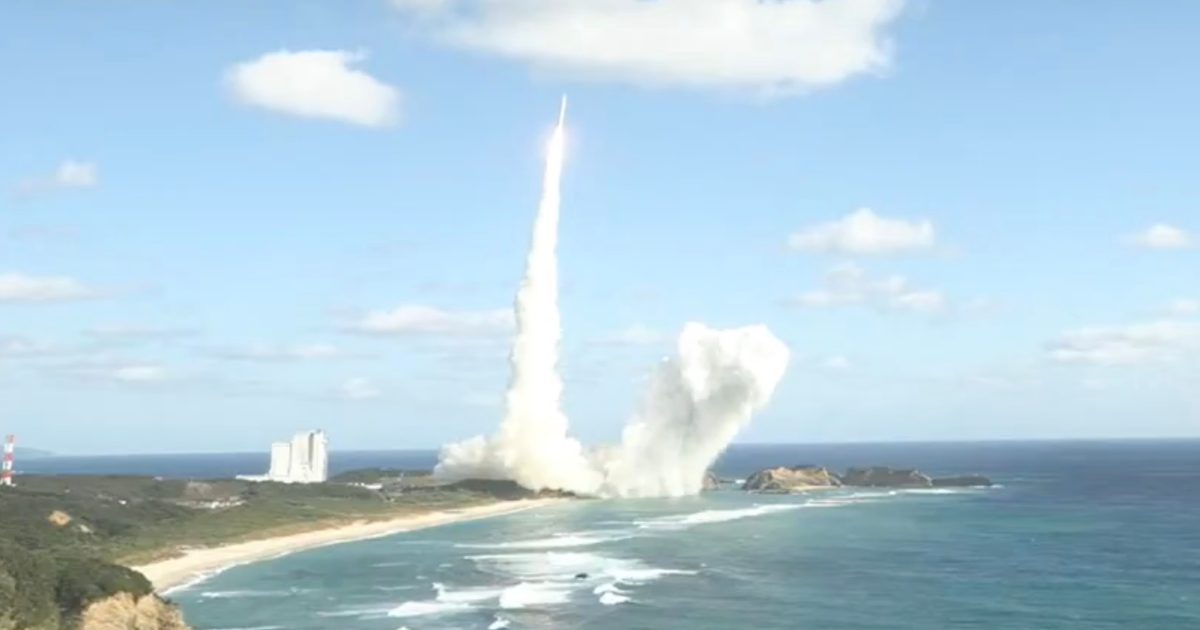
The first of this week’s two failures came when the Japan Aerospace Exploration Agency (JAXA) launched the Quasi-Zenith Satellite System (QZS-5) aboard its H3 rocket from the Tanegashima Space Center about 620 miles south-west of Tokyo.
The first part of the rocket’s flight looked good, but the second stage engine’s second ignition failed to start normally and shut down prematurely, JAXA said later. As a result, QZS-5 was unable to reach its intended orbit, causing the mission to fail.
JAXA is now investigating exactly what went wrong so that it can resolve an issues for the next flight.
The launch was the eighth H3 flight overall but resulted in the second consecutive issue for the rocket, creating ongoing technical challenges for the H3 program.
The second mishap involved the Hanbit-Nano rocket in the Spaceward mission, operated by South Korean spaceflight company Innospace.
The rocket launched from Alcântara Space Center in Brazil and marked South Korea’s first commercial orbital attempt.
But a short while after launch, at around the time the rocket reached Max Q (the moment when it begins experiencing the most intense aerodynamic stress), the video feed briefly showed a bright orange glow before going blank. No, that’s never a good sign.
The payload included five small satellites from Brazil, India, and South Korea, for technology development, education, and the collection of environmental data.
The mission had already faced multiple delays going all the way back to July, caused by issues with the rocket’s avionics and also an electric pump.
The disappointing failures demonstrate the technological precision required for a successful rocket launch, with one relatively small anomaly potentially bringing a mission to an abrupt end.
There was a time when SpaceX’s workhorse Falcon 9 rocket also failed, but over time the company nailed its launch and landing systems. With more work, and the right engineers, the Japanese and Korean rockets should also find a path to greater reliability.
Services Marketplace – Listings, Bookings & Reviews