
In this episode of You Asked, we tackle three common home entertainment questions. First, we break down whether all-in-one soundbars are worth buying, especially for smaller rooms and simpler setups. Next, we recommend TVs that can handle heavy daily use, focusing on durability, gaming performance, and long-term value over flashy features.
Finally, we explore the challenges of finding an accessible TV setup for a blind user, including the limitations of smart TV voice guides and potential alternatives.
Are all-in-one soundbars worth it?

@vinayshsureshram277 asks: Are all in one soundbars worth it? As they don’t have subwoofer and satellite speakers
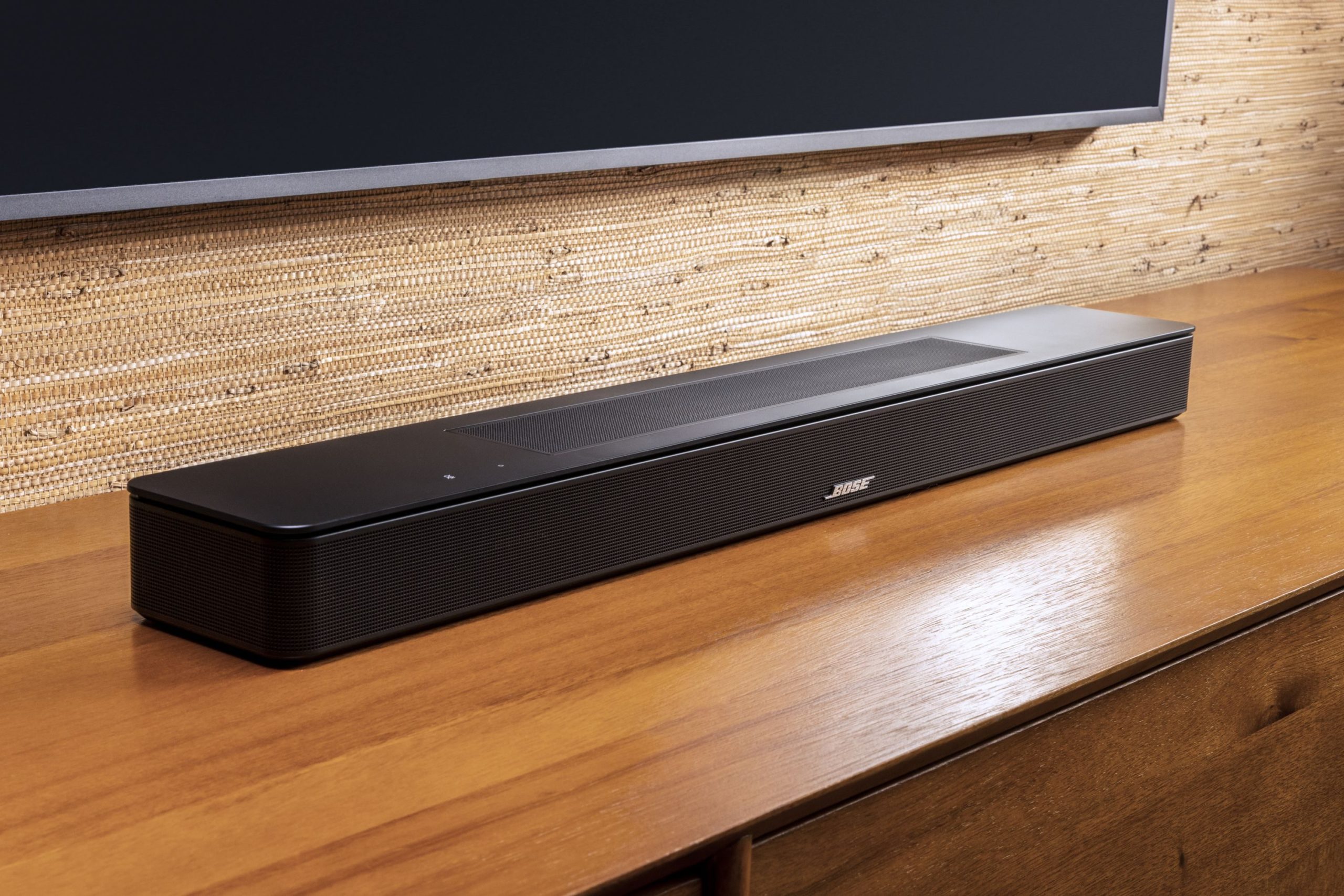
I think they are definitely worth it to the right person with the right setup. The number one advantage you’ll notice with a soundbar is dialogue clarity. With most modern TV speakers located on the back or sides of TVs, the sound needs to reflect off something to reach you. With a soundbar placed in front of the TV, it is already physically in a better place to clearly project sound toward you.
So if you’re someone who just wants to hear what you’re watching better, yes, an all-in-one soundbar is already worth it.
They’re also worth it for someone viewing in a smaller room. There’s no shortage of soundbars that boast Dolby Atmos features for precise, immersive audio. Is it going to be as good as a setup with a subwoofer and satellite speakers? Probably not. But in a small room, an all-in-one soundbar may be all you need to get close enough to a good Dolby Atmos experience.
Not to mention, that same person in a small room may not have the space or desire for additional audio hardware.
Then there’s the price. You’re going to save a good bit of money by going with an all-in-one soundbar over a bigger setup. So if you’ve been on the fence about getting one, I definitely think it’s worth it. Bigger multi-speaker systems tend to get the attention, but I’ve watched more than a few movies using a single soundbar, and the experience has been great.
A TV for heavy daily use

@vishizzy asks: I drive my TV super hard. Nine hours a day. What’s your recommendation?
I don’t have a ton of information about what you’re doing with the TV for nine hours a day, but I’m going to guess you play a lot of games. Back in my Call of Duty prime, nine hours was a good day’s work. Because of that, I’d suggest staying away from OLED, mainly due to the higher burn-in risk from static elements like maps, heads-up displays, and logos that tend to stay in the same areas of the screen.
From personal experience, I still love the Samsung QN90C Mini LED TV I have at home. I’m not running it nine hours a day, but it’s often on for hours at a time during the day and into the evening watching sports or shows with my wife. After everyone else is in bed, I usually squeeze in a movie when I have the living room to myself.
The picture quality and backlight performance are just as bright and responsive as when I first got it, and the operating system is still just as quick. For you, I’d say the QN90F would be a great choice. It’s a newer version of the QN90C with better reflection handling and a few other upgrades. One of those upgrades is an anti-glare matte screen finish, so if that’s not your thing, I’d suggest the Hisense U8QG instead.
It usually costs a little less but still offers everything you’d expect from a premium Mini LED TV. It’s actually a bit brighter than the Samsung and also supports Dolby Vision.
I should add that both TVs are great for gaming, with 165-hertz native refresh rates and support for variable refresh rate when in game mode.
Finally, since you care enough to ask the question, I suspect you’re concerned about spending big money on a TV that’s going to be heavily used. If you want a more budget-friendly option, take a look at the TCL QM6K. It’s not as bright as the other two, but it’s still a solid TV with many of the same or similar features.
A “dumb” TV with voice guidance for a blind user

@ThatWhichISee asks: I’m looking for a dumb TV for my total blind father. He just needs a basic antenna connection. The issue I’m running into is his old flat screen had voice assistant. It would say the channel number. Turning on WiFi and looking at basic TV is not the answer. Too many bottoms to maneuver. I found a basic remote for the elderly that only has channel, volume and power bottoms.
This is a great question, and I’ve been thinking about it for a couple of weeks.
At first, I was going to suggest leaning into smart features. Many voice assistants can open apps and navigate to channels. But when I tested this myself, I ran into the same issue you described. Too many buttons. I can tell my TV to open YouTube TV, and it does, but then I’m immediately faced with a profile selection screen.
You can navigate past that, but then if I say “go to the USA channel,” I don’t go straight there. I still have another selection to make. That’s not a good experience for your father.
I did find that Samsung’s Voice Guide does a good job of telling you where you are on the screen and what the options are. However, apps like YouTube TV are still too complex. Sometimes it would tell me how much time was left in a program, but not the actual channel or show unless I was on the guide screen, which takes a lot of navigation.
This is where I’d lean on the community a bit, because I imagine the same issues I’m seeing with Samsung’s Voice Guide will also show up on other TVs once you start using apps.
I don’t currently have one on hand to test, but Apple TV and Roku both offer solid voice guides that read the screen. I’d imagine that a dedicated streaming box, designed to operate apps as its primary function, would support screen reading more effectively.
That said, I’d really love to hear additional input from others who may have firsthand experience with a setup like this.
Services Marketplace – Listings, Bookings & Reviews